South Korea’s Auto Insurance Market Returns to Underwriting Loss After Six Years
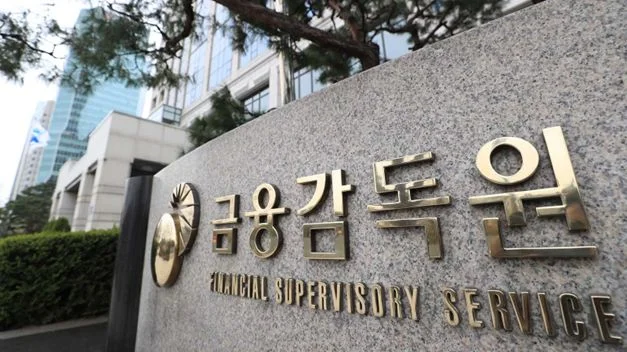
South Korea’s auto insurance market continues to face significant profitability challenges, with insurers recording an underwriting loss in the first half of 2026 for the first time since 2020, according to the latest data released by the Financial Supervisory Service (FSS).
Despite a 1.3% increase in auto insurance premiums at the beginning of the year and the addition of approximately 210,000 insured vehicles, South Korean auto insurers reported an underwriting loss of KRW 184.8 billion (approximately USD 136.5 million) in the first half of 2026.
According to the FSS’s Business Results of Auto Insurance in the First Half of 2026, released on September 15, premium income increased, but claims-related expenses—including hospital treatment costs and repair labor expenses—rose at a faster pace, putting pressure on underwriting profitability.
Direct premiums written in the auto insurance sector reached KRW 10.6384 trillion (approximately USD 7.9 billion) in the first half of 2026, an increase of KRW 426.9 billion (4.2%) from KRW 10.2115 trillion in the same period of the previous year. The increase reflected both the growth in the number of insured vehicles, from 25.75 million to 25.96 million, and coordinated premium increases implemented by major insurers at the beginning of the year.
However, underwriting performance deteriorated sharply. The sector moved from an underwriting profit of KRW 30.2 billion (approximately USD 22.3 million) in the first half of 2025 to a loss of KRW 184.8 billion in the first half of 2026, representing a year-on-year decline of KRW 215 billion (approximately USD 158.9 million).
In practical terms, insurers spent KRW 101.9 for every KRW 100 of premium earned on claims and operating expenses, pushing the combined ratio above the 100% break-even threshold.
Claims and Expense Ratios Deteriorate
Key profitability indicators also weakened. The auto insurance loss ratio increased by 1.6 percentage points, from 83.3% a year earlier to 84.9%, while the expense ratio rose by 0.6 percentage points, from 16.4% to 17.0%.
As a result, the combined ratio—the sum of the loss and expense ratios—increased from 99.7% to 101.9%, moving the sector into underwriting-loss territory.
Notably, the deterioration occurred despite a decline in the number of accidents. During the first half of 2026, the number of auto accidents fell by approximately 82,000, or 4.5%, to 1.745 million, compared with 1.827 million in the same period of the previous year.
The higher loss ratio was therefore primarily driven by the rising average cost per claim. The FSS attributed the increase to higher bodily injury compensation, including hospital treatment costs, as well as increased property-damage compensation, particularly repair labor costs.
Investment Income Partially Offsets Underwriting Losses
Investment income provided some relief from the deterioration in underwriting performance. By managing premiums collected from policyholders, insurers generated KRW 422.8 billion (approximately USD 312.4 million) in investment income during the first half of 2026, up KRW 71 billion, or 20.2%, from the previous year.
As a result, the sector remained profitable overall when underwriting and investment results were combined, recording total profit of approximately KRW 238 billion (USD 175.9 million). Nevertheless, this represented a 37.7% decline from KRW 382 billion (approximately USD 282.3 million) in the first half of 2025.
South Korea Tightens Controls on Prolonged Minor-Injury Claims
Against this backdrop, South Korean financial authorities are also focusing on so-called “minor-injury” or “fraudulent injury” claims, in which policyholders may prolong medical treatment for relatively minor injuries in order to receive higher compensation.
From September 10, regulators introduced changes to the compensation process for prolonged treatment of minor injuries under auto insurance. Claimants with Grade 12–14 injuries, which include conditions such as simple sprains and bruises, who wish to continue treatment beyond eight weeks must now undergo a medical-necessity review conducted by specialist physicians affiliated with the Korea Automobile Insurance Compensation Promotion Agency.
The measure is commonly referred to as the “eight-week rule.”
The system governing future medical expenses is also being revised. Under the existing approach, claimants with minor injuries could receive lump-sum payments following settlement. Beginning October 25, new policy terms will replace such lump-sum payments with reimbursement based on actual medical expenses incurred.
The reforms are intended to reduce claims leakage and help lower the loss ratio.
The FSS said it would work closely with relevant organizations to ensure that measures targeting minor-injury claims do not inconvenience legitimate consumers and that it would monitor the implementation process. The regulator expects improvements in the loss ratio ultimately to contribute to lower auto insurance premiums for consumers across South Korea.
Outlook for Auto Insurance Premiums
The effectiveness of these new measures in containing claims leakage is likely to play an important role in determining the future direction of auto insurance premiums in South Korea.
The fact that the loss ratio deteriorated despite premium increases has already raised concerns about the sector’s underlying profitability. If the reforms fail to deliver measurable improvements in claims costs and underwriting results, insurers could face renewed pressure to seek further premium increases.